
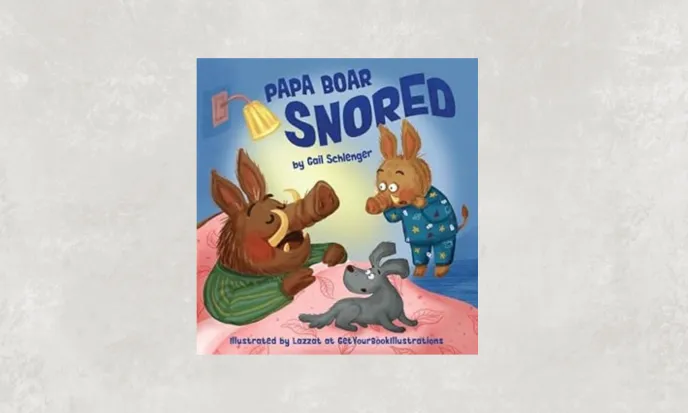
Papa Boar Snored
When Papa Boar snores, no one sleeps - and Little Boar has had enough! Every morning, after a night of thunderous snorts and wall-rattling rumbles, the Boar family yawns, flips, flops, and stumbles their way through the day. Little Boar tries everything to quiet the snores - a puffy pillow, a treat - but nothing works. Will the Boars ever get a good night's sleep? Can Little Boar rid the Boars of the snores? A laugh-out-loud picture book about family, persistence, and one very big surprise ending.
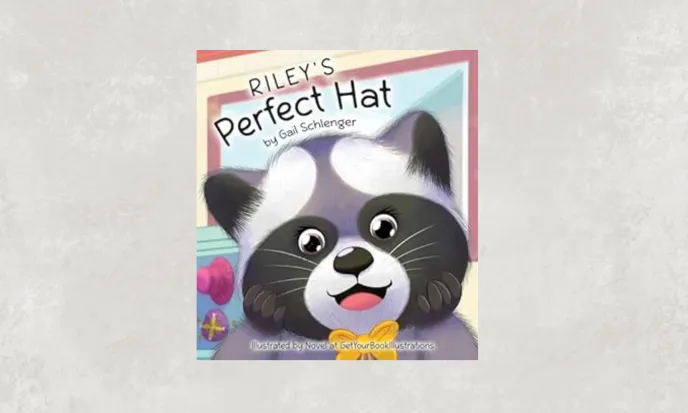
Riley's Perfect Hat
Riley can't seem to dodge dropping debris-everything falls on her head! After searching near and far, she fiunds a one-of-a-kind hat to protect her tender noggin. But when she loses her hat, she wonders, How can you replace somethign there's only one of? When an unexpected gift lands on her doorstep, Riley discovers that she might just have the perfect, one-of-a-kind solution!
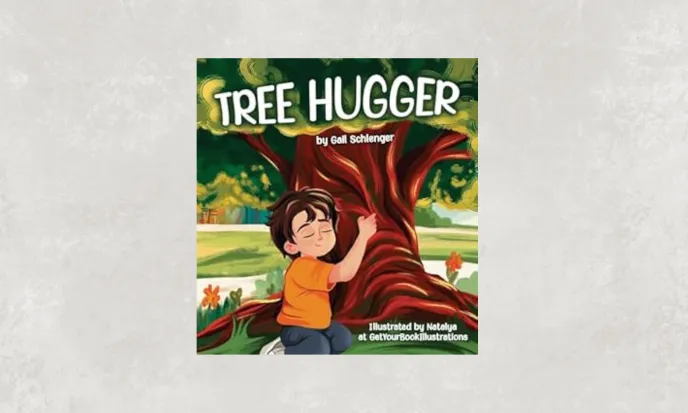
Tree Hugger
At school, Daniel feels invisible. At least there's an oak tree that will sit with him and listen to his dreams and wishes. But when his beloved tree is removed to make room for a new playground, Daniel feels lonelier than ever. Wait! An acorn...and another! Daniel sprouts an idea that allows for growth-both for new trees, and for new friendships.
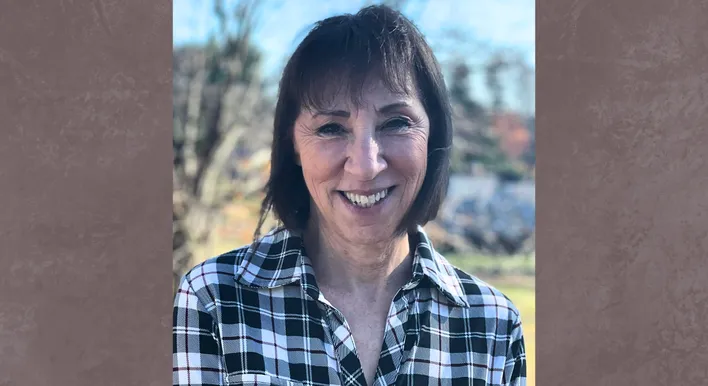
Gail Schlenger
School/Library Visit Information
For first and second graders, after some questions and answers that promote engagement, I read Riley’s Perfect Hat aloud, projecting the illustrations, and guiding the students in a discussion about the feelings Riley experiences throughout the story. Together, we identify and name emotions, which helps students build emotional vocabulary and recognize how feelings can change during and after a challenge. Students are encouraged to remember that while we feel what we feel, we can decide what to do with those feelings. After the reading, students create their own hats, encouraging self-expression, and reinforcing the book’s message that there’s more than one way to solve a problem. The hat-making craft also provides many opportunities for agency and choices, as well as the application of vocabulary such as frustration, disappointment, discouragement, and pride.
For third and fourth graders, I let the students know that although they are beyond picture books as independent readers, picture books are an excellent tool for examining how stories work. I distribute a Story Mountain and use my books to model narrative structure, character development, emotional arc, and the idea of “showing rather than telling.” I read one book, Tree Hugger, excerpts from Riley’s Perfect Hat, and the ending of Papa Boar Snored to show how each story begins, builds, and resolves, how language choice is used to convey feelings and ideas, and what changes they notice at the end. They are encouraged to notice that there are different characters, different stories, but a similar structure. The students then either work alone or with a partner to brainstorm story ideas, preferably starting with character and setting.
If time permits, I invite students to join me for an “ask the author” Q&A (often during a lunch period), where I answer questions about story ideas, the writing process, and how a book travels from idea to publication.
My goal is for students to leave feeling inspired, not only to read and write, but to recognize that their thoughts, feelings, and ideas matter.
Please mail me at [email protected] for more information.